By Lisa Bush Director of Sales & Marketing, Thompson Nashville | November 2, 2026
Disclaimer: The views and opinions expressed in this guest column are those of the author and do not necessarily reflect the official policy or position of Hotel Interactive. The author may have an interest in the products, services, or business entities referenced in this article. Hotel Interactive is not responsible for the opinions or factual assertions made by the author.
A lot can change in hospitality over the course of 10 years. New hotels enter the market, neighborhoods evolve and traveler preferences can shift seemingly overnight. For established hotels, this creates a unique challenge: how to attract new and returning guests while maintaining a distinct brand identity and evolving to meet the expectations of today’s travelers.
In Nashville, Tenn., this shift is especially prevalent. Music City has one of the country’s most robust hotel pipelines: More than 13,300 hotel rooms are currently in development across the metro area. This adds to the more than 10,500 rooms introduced through 65 new hotel openings since 2020, underscoring the pace at which Nashville’s hospitality landscape continues to evolve.
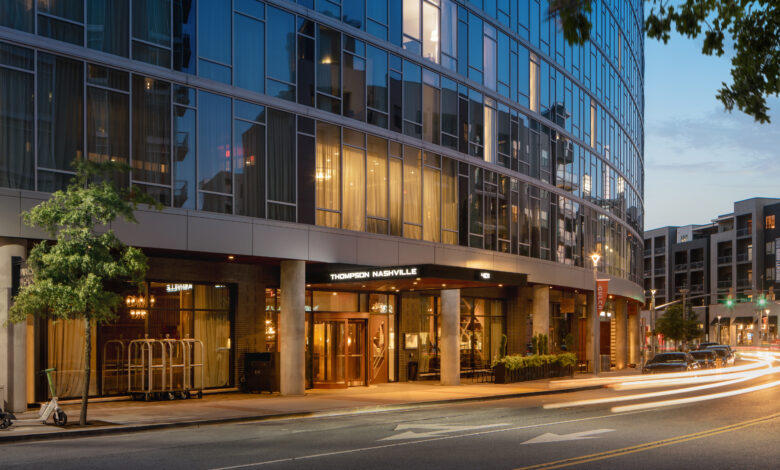
Thompson Nashville opened in 2016 as the first Thompson in the South and one of The Gulch’s earliest lifestyle hotels, making it a trendsetter in the market. Over the past decade, it has navigated a pandemic, absorbed an influx of new lifestyle and luxury hotel supply and welcomed direct competitors to The Gulch. Throughout those changes, the hotel has adapted its guest programming, established brand-aligned partnerships and developed new ways to engage today’s travelers — all while maintaining its distinctive position in an increasingly competitive landscape.
For hoteliers navigating similar market challenges, the hotel’s performance over the past decade offers valuable insights into what it takes to remain competitive. This article will examine four areas that have been crucial to sustaining relevance and performance: evolving the guest experience, responding to changing traveler preferences, building partnerships with purpose and reaching new audiences across diverse markets.
Evolving the Guest Experience
For established hotels, maintaining a competitive position requires more than preserving the elements that made the property successful in the first place. As traveler expectations evolve and new hotels enter the market, teams must continually assess how the guest experience can remain relevant, differentiate the property and encourage repeat visits without losing its core identity. This often means looking beyond traditional amenities to develop programming, partnerships and marketing initiatives that reflect the destination while appealing to both new audiences and loyal guests.
Experiential programming has become an increasingly important factor in where travelers decide to book. According to CNN’s 2025 travel trends research, 86% of travelers say authentic and immersive cultural experiences influence their choice of vacation destination. Hotels looking to attract new and repeat guests should tap into this preference by introducing bookable experiences that authentically reflect the local destination.
Over the years, Thompson Nashville has implemented a number of packages and amenities that celebrate the spirit of Music City and bring Nashville’s music culture into the guest experience. The Three Chords & The Truth package delivered Gibson guitars directly to guest rooms. Current offerings include Whiskey & Vinyl classes, which guide guests through the history of whiskey and music in the South, and the Suite Sounds package, which was created in partnership with Eric Church and features a curated collection of vinyl records that guests can enjoy on in-room Victrola record players. For business travelers and groups, the hotel’s meeting spaces offer a distinctly Nashville experience: Each event space is named after a famous guitar, while artwork by Chris Coleman, a former member of Kings of Leon, lines the hallways, giving guests another opportunity to engage with the city’s creative culture throughout their stay.
Understanding which experiences resonate with travelers is equally important. Guest feedback, participation and booking patterns can help hotels assess the value of their programming and guide future investments.
Adapting to the Modern Traveler
As traveler preferences change, hotels must continually evaluate how guests’ needs are evolving at every level. One significant shift in the tourism industry in recent years has centered around wellness beyond traditional spa services, particularly among travelers who seek to maintain their wellness routines while away from home. By introducing functional amenities that respond to such emerging trends, hotels can appeal to new audiences while creating a more thoughtful guest experience.
To evaluate the effectiveness of added amenities, teams can look at guest feedback, package bookings, amenity usage and recurring requests to determine which offerings deliver the greatest value and where additional opportunities exist. These insights can help inform future investments while ensuring the guest experience continues to reflect modern travelers’ expectations.
Thompson Nashville, for example, has incorporated practical touches such as conveniently located water stations on each floor, while also introducing more intentional offerings such as a sleep-focused package that’s designed to help travelers maintain their sleep routines while away from home. By addressing wellness at multiple touchpoints throughout the stay, the hotel aims to provide added value for guests, particularly for frequent business travelers, and gives them another reason to return.
Creating Partnerships with Purpose
As new hotels enter the market, established properties need to continually find ways to keep the guest experience fresh, especially when a full renovation or property-wide upgrade isn’t feasible. Strategic brand partnerships can offer a nimble way to introduce new experiences, reach different audiences and create memorable touchpoints without requiring significant changes to the property.
The key is identifying opportunities that deliver added value to the guest experience while also contributing to the hotel’s bottom line. Practical considerations, including costs, staffing requirements, operational bandwidth and media opportunities, should also factor into the decision. Establishing success measures upfront, whether through guest participation, feedback, earned media coverage or engagement with new audiences, can help teams determine whether a partnership merits continued investment.
This strategy has been a particular strength for Thompson Nashville, which has consistently used partnerships to introduce new experiences that reflect the hotel’s character. In 2022, the hotel became the first in Tennessee to introduce WeMoke electric cars as a guest amenity, providing a new way to explore the city. The hotel previously partnered with the renowned Nashville denim brand imogene + willie to offer on-site tailoring and custom-stamped jeans, creating a unique souvenir that connected the guest experience to a distinctly local brand.
Reaching New Audiences
Reaching a significant milestone like a tenth anniversary offers more than a reason to look back. It provides a decade of insight into the market, changing guest behavior and the decisions that have made the greatest impact. As destinations attract new visitors and travel patterns shift, hotels can use targeted sales outreach, strategic marketing and relevant media storytelling to build awareness in emerging markets while maintaining relationships with established feeder markets.
When Thompson Nashville opened in 2016, Nashville International Airport (BNA) offered nonstop service to more than 50 destinations. Today, the airport connects Nashville to more than 100 nonstop destinations, reflecting the city’s expanding reach as both a domestic and international leisure and business destination.
For Thompson Nashville, markets including New York, Chicago, Dallas and Los Angeles have become increasingly important, driven in part by convention growth and corporate travel. Meanwhile, Denver, Phoenix and South Florida reflect Nashville’s expanding appeal beyond the Southeast. The hotel has made a concerted effort to expand its reach in these markets through targeted sales outreach, strategic marketing initiatives and thoughtful media storytelling designed to introduce the property to new audiences.