From Acquisition to Experience: Boutique Hotel Owners Share Lessons from the Ground Up
By Joe Waskewich | October 29, 2026
CARLSBAD, Calif. — For boutique hotel owners, creating a memorable guest experience can depend as much on clean floors, reliable Wi-Fi and an intuitive light switch as it does on a distinctive design concept.
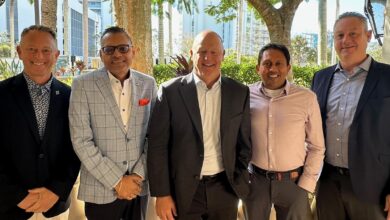
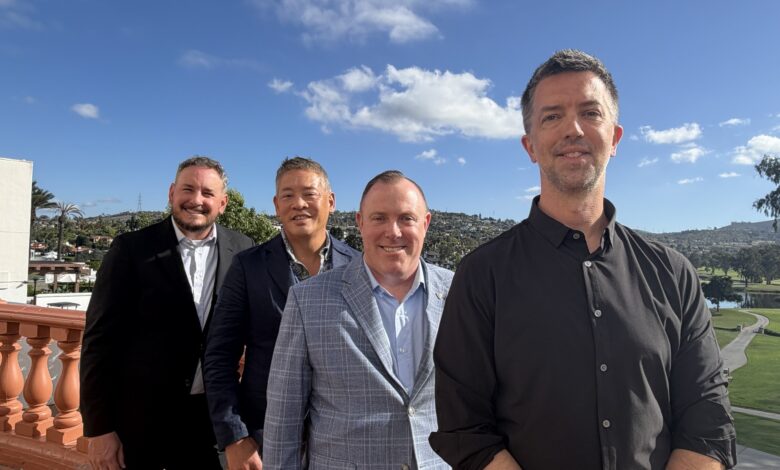
That intersection of vision and execution ran through the BITAC Purchasing & Design Fall 2026 panel “From Acquisition to Experience: A Boutique Hotel Transformation,” held Oct. 25-27 at Omni La Costa in Carlsbad. Moderator Cody Adent, president of Vibrant Management, led the second-day discussion featuring Aaron Chan and Darryl Glass, owners of Moose & Maple Lodge, and Jordan Iverson, founder and designer of Dreamtime Getaways.
The conversation moved from acquisition risk and design decisions to purchasing, guest feedback and the operational details that can determine whether a hotel experience works as intended.
Learning the Hospitality Business
For Chan and Glass, the purchase of Moose & Maple Lodge in South Lake Tahoe, Calif., marked their first move into hotel ownership after careers in commercial and residential real estate.
Chan said the property appealed to them in part because of its location near both the ski lifts and Lake Tahoe Beach. But the purchase also came while they were facing a deadline for a 1031 exchange, which allows investors to defer certain capital gains taxes when exchanging qualifying investment properties.
“We became very emotionally attached to it,” Chan said. “When it came to the due diligence, we glossed over a lot of stuff that maybe we shouldn’t have.”
The process underscored how different hospitality can be from other real estate investments. Chan was accustomed to evaluating offering memorandums for commercial and multifamily properties but had less experience assessing the expense structure of a hotel.
He turned to other hotel owners in his network and sought outside operational support before closing on the property.
Glass, meanwhile, brought a background in long-term property management. Many of those skills transferred, he said, but the required response time did not.
“In the long-term world, that can take a week, two weeks, a couple days to fix,” Glass said of maintenance issues. “In the hospitality industry, our average stay is two days, so that can ruin someone’s entire experience.”
Designing for Place — and for Reality
Iverson approaches hotel design by first considering where a property sits and what guests are likely to experience there.
His background in luxury custom home design taught him to begin with the site, he said, whether that meant topography, location or surrounding uses. He applies the same principle to hospitality.
“It’s really the location, the city it’s in,” Iverson said. “Is it downtown or in the woods? That’s really going to dictate that initial vision.” The goal is to incorporate elements of the surrounding area without falling back on obvious themes or clichés.
Iverson also learned early that individuality has operational limits. At his first hotel, he fully themed each room, extending the concept into nearly every detail. He later standardized items such as linens and towels while finding other ways to differentiate rooms.
At The Local in Eugene, Ore., for example, the overall decor remains consistent while rooms feature individually created artwork.
Budget is another constraint that has to be addressed early, Iverson said. Protecting the guest experience requires identifying which design elements matter most and where the project can simplify without creating friction or disappointment.
Sometimes those priorities are already visible in guest feedback.
Chan said he used ChatGPT to help review large volumes of public comments about Moose & Maple Lodge across booking platforms and other sites. Among the recurring complaints were slow Wi-Fi, floor cleanliness and noise between rooms.
“That really helped to expedite just reviewing everything,” Chan said. “It comes back with, ‘This is the most common complaint about your property,’ and ‘This is what we love about your property.’ ”
The owners addressed the first two issues quickly, while the noise will require a later renovation phase.
Testing Before Buying
Once a hotel is operating, purchasing decisions take on another dimension.
Glass explained he evaluates products by how long they will last, how easily they can be cleaned or repaired and how they affect the employees who work with them. “I look beyond the price of the actual item,” he said. “It not only needs to work for our guests, but it needs to work for our team, our housekeepers, our maintenance people.”
That often means testing products before committing to a property-wide purchase.
After taking over Moose & Maple Lodge, Glass ordered a variety of throw blankets and tried them in the rooms. Because the property is dog-friendly, he wanted blankets that would stand up to regular use, resist holding excessive pet hair and stay manageable for housekeeping.
He is taking a similar approach to rugs and runners, factoring in Tahoe’s seasonal conditions. Fine dust can enter rooms during the summer, while winter brings mud, slush and ski equipment.
The owners have also welcomed opportunities to test larger purchases, such as mattresses, before ordering them for the property. The goal is partly to avoid expensive mistakes and partly to understand the operational consequences of each choice.
Guest Feedback Becomes an Operating Tool
The hotel’s Wi-Fi upgrade, one of the fixes that came out of those reviews, illustrates how guest comments can influence both infrastructure and the overall stay.
Glass said he experienced the problem himself during due diligence when the existing connection was not strong enough to stream television programming in one of the units. After taking ownership, the team replaced the Wi-Fi and security-camera systems. The new setup separates guest internet, televisions and door locks onto different networks, with a cellular backup for the locks. The property also introduced a login portal that allows the owners to collect guest email addresses for marketing.
The goal was not simply faster internet, Glass explained. Moose & Maple Lodge draws guests from the Bay Area, he said, including people who may want to work remotely after spending part of the day skiing or at the lake.
Other fixes have been decidedly lower-tech.
Glass traced a recurring problem with empty soap dispensers to the housekeeping process. Refilling them required staff members to either remove the dispensers or carry multiple gallon containers from room to room.
After discussing the problem with the housekeeping and maintenance teams, he adopted refillable squeeze bottles that could travel with housekeepers’ cleaning supplies.
“Something that was challenging now became very, very easy,” Glass said.
Floor cleanliness required a larger intervention. Routine sweeping and mopping were not removing dirt embedded in stone tile and grout, so the owners brought in a professional cleaning company, had the floors sealed and purchased a commercial-grade scrubbing machine for regular maintenance.
Reducing Friction Throughout the Stay
For Iverson, many of the most valuable design lessons also come from seemingly minor details.
His residential work taught him to pay close attention to the placement of outlets, switches and other elements people interact with without thinking about them.
The same attention carries into hotels, he said. Reducing friction can begin before a guest reaches the room. Iverson, with Glass echoing his point, said clear prearrival communication and easy check-in instructions are part of the overall experience.
Building the Experience Around the Stay
Iverson said the purpose of a trip should also influence design decisions.
Dreamtime Getaways includes properties ranging from wooded retreats to urban accommodations, and the experience at each is shaped around why guests are likely to be there.
At a cabin, that may mean a fire pit and s’mores. In Eugene, where University of Oregon events drive demand, The 505 includes a Collegiate room with throwback university colors, a basketball-court-style accent wall, Nike references and a large television.
“What are guests expecting when they’re visiting?” Iverson said. “What are the elements … that are going to make their trip special or memorable?”
Chan and Glass are approaching Moose & Maple Lodge with a similar question as they develop their long-term vision for the property, which they plan to rename Lake Haven Lodge.
Chan said they would like the hotel to develop more of a community atmosphere, with opportunities for guests to meet one another through activities such as skiing, boating or hiking.
The concept also has a business objective. Chan said only 13% of the property’s bookings currently come directly through the hotel rather than through online travel agencies, or OTAs.
“By creating that community and repeat loyalty, that’s going to really help drive our direct bookings over relying on the OTAs for bookings,” he said.
Experience the Hotel as a Guest
The panel closed with a practical recommendation from both Iverson and Glass: Stay at your own property.
Iverson said operators can learn from spending a night in a room and experiencing details they may otherwise overlook. Glass took that advice a step further. Operators should make the reservation themselves, enter their information into the system, receive the communications and go through the entire arrival process.
“Literally put yourself on the calendar, reserve the room, actually stay in the room,” he said. “What’s the experience like? How is it to unlock the door?”
The exercise can expose problems ranging from poorly timed check-in messages to confusing switches, uncomfortable mattresses or sound issues.
Chan offered another way of keeping that feedback loop going. He said he has ChatGPT set up to review feedback about the property every two weeks so he can monitor whether complaints are increasing or decreasing.
For these owners, a successful transformation depends not only on a property’s character but also on the systems, purchasing decisions and daily practices that make the guest experience consistent.