By Carrie Gill, WTA | September 22, 2026
Disclaimer: The views and opinions expressed in this guest column are those of the author and do not necessarily reflect the official policy or position of Hotel Interactive. The author may have an interest in the products, services, or business entities referenced in this article. Hotel Interactive is not responsible for the opinions or factual assertions made by the author.
“Culture marketing” has graduated from buzzword to default advertising strategy du jour, and for good reason. Consumers don’t want to be interrupted from their daily pursuits by the invasive “ad.” They want to stay within their cultural ecosystem. For brands to remain receptive to an increasingly cynical audience, they have to join them in culture — not try to disrupt it.
This revelation isn’t news to the travel and hospitality industry. Thanks to social media, travel vlogs and reviews have long played an unignorable role in driving visitors, and are part of a robust marketing strategy for most travel brands. On the flip side, the sheer volume of content drives even more competition. The result? Audiences are slowly becoming more desensitized to destination marketing. How many drone shots of infinity pools can a consumer digest before they stop being impressed? Using the same social media language, destinations and properties begin to look interchangeable, which presents both the problem and the solution.
Other sectors have figured it out already: To participate in culture marketing, brands have to balance correctly participating in culture, rather than chasing it, while standing out just enough, highlighting features that their competitors can’t replicate. In a sentence, you have to show audiences that you speak their language while creating a culture entirely your own.
Travel and hospitality brands are uniquely poised to seize culture marketing by the reins in ways brands in other industries have to concoct from scratch. They just have to know where to start. The equation begins with finding the raw material embedded in the destination itself — features that audiences care about today, that other sectors would kill to manufacture. Add urgency to justify the booking now, rather than later. Then, when you’re ready to advertise, finding the key cultural opportunity, with the right brand champions, gives the brand an authentic presence that doesn’t feel imposing.
Culture is Coming from Inside the House
Where should hospitality marketers begin? Look outside their own sector. Study culture marketing successes among brands in fashion, entertainment, sports, CPG (consumer packaged goods), lifestyle, gaming. The list goes on. Don’t assess how or where they specifically run their campaigns; rather, identify the underlying consumer desire that each sector cultivates and the trending cultural aesthetics they hit with their own marketing. Then ask yourself: Which attributes does your destination already, organically, own? Start there.
If I were marketing Deadwood, S.D., I would immediately look to entertainment, fashion and music. Shows like Paramount’s Yellowstone and all of its spinoffs helped launch a renewed appreciation for the western aesthetic outside the Midwest. At the time of this writing, fashion and music both skew nostalgic; nostalgia marketing has been a growing drumbeat for going on two years. Recent fashion success stories such as the cult brand Parke are making Americana popular again.
Deadwood doesn’t have to manufacture any of these trends, because it already has all three in spades — and consumers salivate for them.
The same goes for Coney Island, another well-known U.S. destination. Nostalgia remains Coney Island’s entire aesthetic, but what about kitsch? Coastal themes in fashion and home decor remain trending staples and on the Pinterest boards of young people. The trends that Coney Island already espouses can easily be used to market to a variety of audiences spanning ages and locations nationwide.
Written here, and from the outside in, the answers seem obvious. For some travel and hospitality brands, the work begins with deeply knowing what your audience appreciates today. As tired as the advice may seem, winning cultural marketing happens at the intersection of consumers’ cultural tastes and a brand’s unique offerings. Close examination of both factors is required, or the strategy falls flat.
Supply and Demand
Once you have identified what makes your destination culturally relevant, the next step is turning that appeal into demand. Sure, your destination could be completely craveable — for next season. Audiences often write off travel as a future activity because “it’s not going anywhere.” But at the speed of culture, taste and relevancy may not be as high next year as they are this year. Once you find what makes your brand unique in today’s consumer culture, you have to create the urgency to entice visitors to participate now.
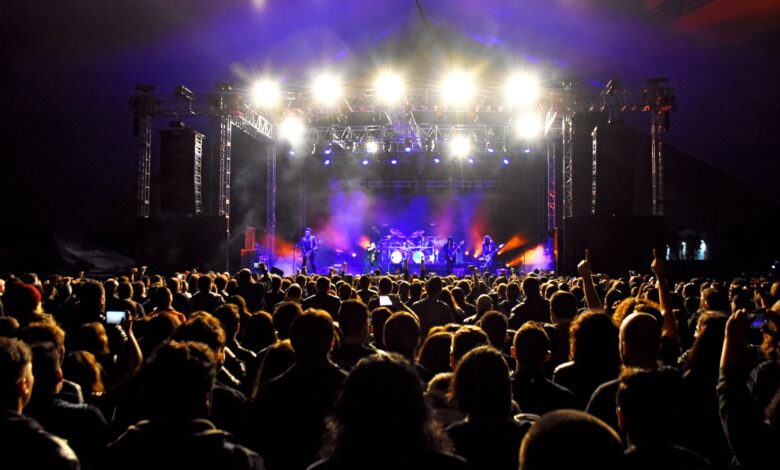
Look beyond enticing copy and timely digital ads. For the hospitality and travel industry, one of the largest trends right now is events: concerts, sporting events, festivals, etc. Skift reports more than 70% of travelers say they are likelier to plan a trip around a live event than they were five years ago. Meanwhile, the category of entertainment-based travel has increased 74% year over year in the first quarter of 2026, according to Trip.com.
To understand the opportunities that events create for the travel industry, we only need to observe 2026, when the Winter Olympics and the World Cup occurred in the same year. Use the date of an event — a fixed factor — to create urgency in your marketing and to encourage travelers to book now.
That same urgency can be created for smaller events as well. Catalog the local events that align with what makes your destination unique. Select the strongest programming opportunities and promote your property or service in connection with them. Make sure to plan for an entire calendar year to get ahead of travelers who book early for large occasions.
If nothing fits, make an event of your own! Destinations should be forward-thinking about the offerings in their wider communities, because every event is an occasion. Give some thought to how you can partner with local attractions and other community businesses to create distinctive programming that draws guests to your property.
Culture Means Community
We’re in the industry of “location, location, location,” and increasingly, that location is not solely digital. Culture marketing depends just as much on community as it does digital content. Producing content at scale with no strategy doesn’t tell you what resonated with your audiences. The right partnerships can. Look beyond travel and hospitality for brands and talent, such as athletes, entertainers and musicians, that appeal to your target audience and share your goals and values. The right partners can provide cultural currency for your brand.
But don’t confuse talent and brand partnerships with influencer marketing. In this case, audience alignment matters far more than size. Which individual or brand does your audience already trust? Finding a partner with cultural currency only strengthens the connection between your brand and the audience you want to reach. If your property or destination already has appeal and timeliness that resonate culturally, then working with that partner will help the right audience find you.
Ironically, much of succeeding in culture marketing means looking inward. Brands in sports, lifestyle, fashion, CPG and others often have to manufacture cultural relevance that travel and hospitality destinations already have: history, nostalgia, stories and an established sense of place and community. Those assets are accessible and authentic, which puts the travel industry at an advantage.
The culture marketing winners won’t have the largest budgets, but they will be the savviest listeners. They will understand their audiences well enough to find the culture that’s already hiding in plain sight. They will act quickly to tap into cultural moments that their audiences care about. And, with careful consideration and foresight, they will work with like-minded brand and talent partners that are already part of the cultural conversation.
Destinations don’t have to chase cultural relevance. They need the courage and conviction to make what is already distinctive about them matter.