By Adam and Larry Mogelonsky | October 23, 2026
Disclaimer: The views and opinions expressed in this guest column are those of the author and do not necessarily reflect the official policy or position of Hotel Interactive. The author may have an interest in the products, services, or business entities referenced in this article. Hotel Interactive is not responsible for the opinions or factual assertions made by the author.
For most in the hotel biz, an in-room television is a mandatory hotel amenity. Every renovation or ground-up A/V budget nowadays includes larger screens, smarter casting systems and upgraded entertainment packages because guests expect them. But a growing number of luxury resorts are quietly asking a different question: What if the best guest room television is no television at all?
Some boutique hotels, wilderness lodges and destination resorts are doing away with televisions in the guest rooms. At first glance, the decision appears risky. Yet for many independent luxury operators, removing the TV has become a way to express their brand identity.
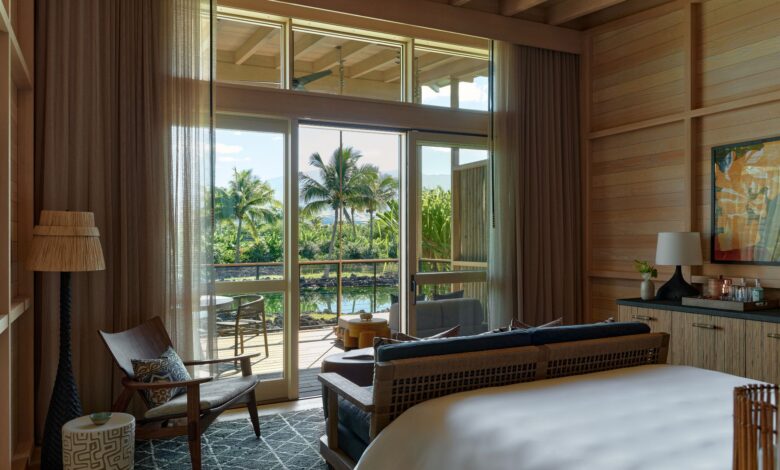
A pioneer in this space was Kona Village (now a Rosewood property) in Hawaii. The goal was to give guests the proper space to rest with only sun, sand and waves. That meant no TVs, no alarm clocks. Another interpretation of this resort-style, stop-to-start ethos is Paradero Todos Santos in Baja California Sur where the absence of in-room electronics is central to the design and the mindfulness-centric wellness offering. But this trend isn’t just for destination luxury. Urban hotels such as The Manner in New York deliberately promote their no-TV rooms as a feature, not a bug.
The rationale here isn’t primarily financial, although the economics certainly help. Every television represents capital expenditure followed by years of maintenance, software updates, casting support, subscription management and eventual replacement. Smart TVs have become another piece of technology that can fail, generate service tickets or frustrate guests when streaming platforms refuse to connect. But reducing costs is merely a byproduct; the real objective is creating a different kind of guest experience.
The modern luxury traveler increasingly seeks what technology has made scarce: quiet, attention, presence and stillness. A thoughtfully designed guest room should invite reading, conversation, reflection or simply watching the sunrise over the ocean. Introducing a large black screen as the room’s visual focal point subtly changes that intention. Instead of encouraging guests to connect with their surroundings, it encourages them to recreate the habits they already have at home.
This intentionality extends beyond the room itself. Think about this: Every hour a guest spends watching Netflix in bed is an hour they are not sharing a bottle of wine on the terrace, meeting fellow travelers around the fire pit, lingering over cocktails at the swim-up bar or discovering a chef’s tasting menu. An in-room TV may even be limiting opportunities to increase total revenue per available room (TRevPAR). Luxury hospitality has always been about creating memorable experiences, and those experiences almost never happen while channel surfing.
The most successful boutique hotels understand that their public spaces are part of the product. A lively lobby, an animated pool deck or a bustling restaurant creates an energy that guests immediately feel upon arrival. Gen Z calls this a “vibe.” Hospitality is contagious no matter the generational lexicon, though; seeing others enjoying themselves encourages participation. Empty public spaces, by contrast, make even the most beautiful property feel subdued, often boring.
In this sense, removing TVs becomes a subtle form of experience design. Rather than retreating to their rooms after dinner, guests are drawn into thoughtfully designed communal spaces that invite them to linger, encouraging spontaneous conversations, shared discoveries and lasting memories. Meanwhile, the lack of in-room electronics could provide a subtle nudge toward better sleep by removing late-night stimulation.
The strategy also serves another purpose: attracting the right guest. Every hotel makes decisions that appeal to some travelers while discouraging others. Boutique hospitality has never tried to be everything to everyone. If a prospective guest decides against booking because there is no television in the room, that may not represent a lost customer so much as successful market positioning.
The guest seeking uninterrupted television entertainment may also be less inclined to participate in guided excursions, wellness programming, premium dining or destination experiences that define many luxury resorts. While every traveler is different, operators increasingly recognize that designing for their ideal guest sometimes requires intentionally excluding features that appeal to a broader audience.
This is not an argument for removing televisions everywhere. Urban business hotels continue to benefit from robust in-room entertainment. Conference properties often use televisions for information delivery. Integrated resorts such as those in Las Vegas generate significant revenue through television-based promotions, dining reservations and entertainment upselling. Family resorts likewise serve guests who appreciate downtime after a busy day.
As usual, it’s all about context and the market segment that a hotel wants to serve. For destination-driven luxury resorts, especially those whose greatest asset is their surrounding environment, the absence of a television can reinforce a property’s entire philosophy. Guests have traveled thousands of miles to experience coral reefs, rainforests, mountains or vineyards — not another evening spent consuming the same content available in their living room.
Throughout luxury hospitality, a hotel’s competitive advantage increasingly lies in making deliberate choices about which amenities belong and which do not. This is why today’s most memorable hotels are often distinguished by restraint rather than abundance.
Removing the television will never become universal, nor should it. Yet for hotels seeking stronger differentiation in an increasingly crowded luxury market, the decision raises an important strategic question: Which amenities genuinely contribute to the guest experience? Every amenity communicates what a hotel values, and with nearly 1,300 hotel brands across the globe, the future favors bold design choices.
About the Authors
Adam Mogelonsky and Larry Mogelonsky are principals at Hotel Mogel Consulting Ltd., a boutique asset management and hotel development firm specializing in creating unique independent properties and designing programs that maximize profitability, with expertise in finance, wellness, marketing and technology. You can reach them at adam@hotelmogel.com to discuss business challenges or for speaking engagements.